
What to Do After Your Car Is Damaged in an Accident
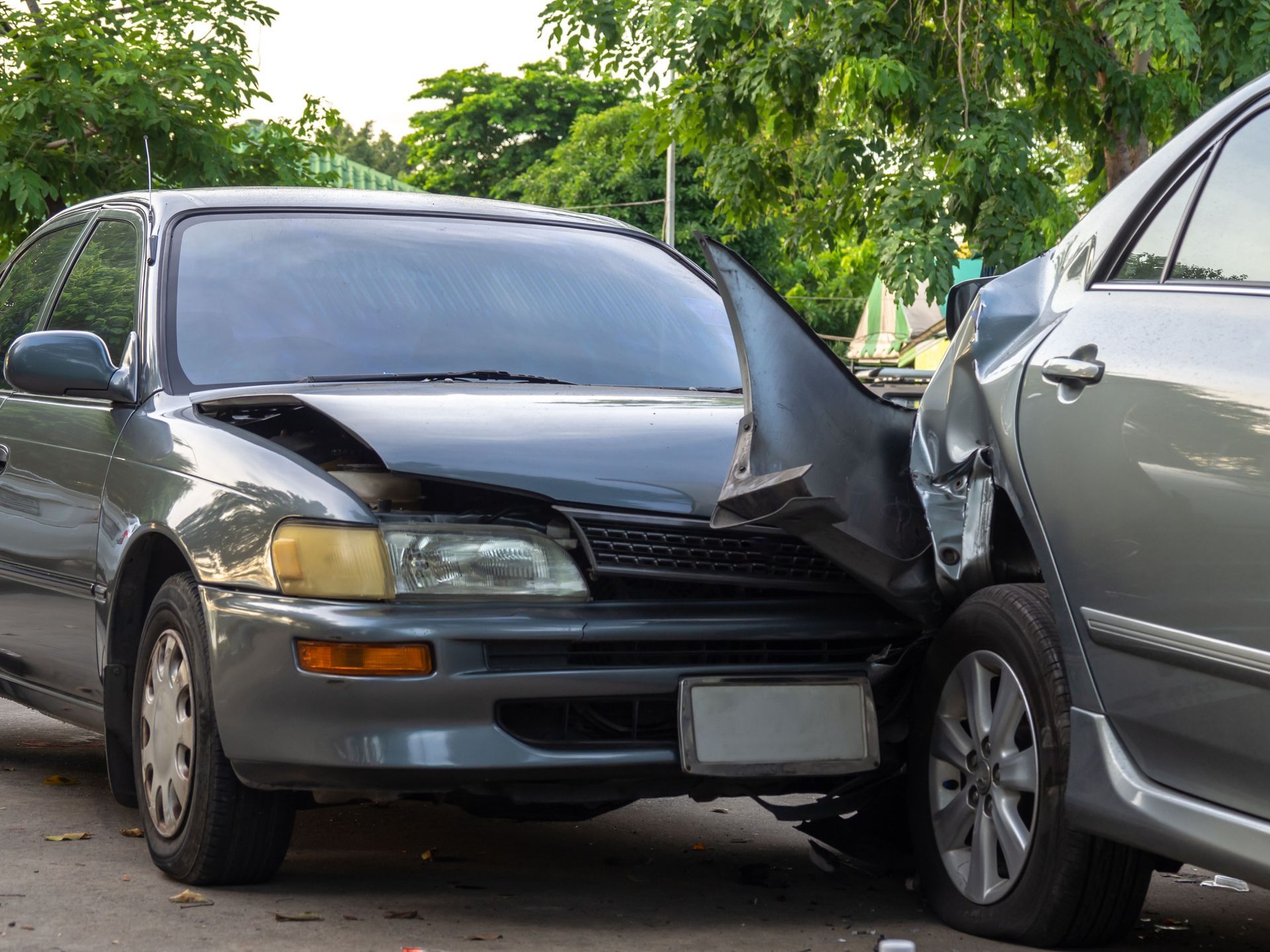
A car accident can leave drivers uncertain about what to do next. Whether the collision involves minor bumper damage or extensive repairs, taking the right steps afterward can protect your safety, simplify insurance claims, and help restore your vehicle.
At Ultimate Auto Touch-Ups, we understand how stressful vehicle damage can be. From documenting the accident to scheduling a professional bumper repair service, knowing what to expect makes the recovery process more manageable.
Ensure Safety at the Accident Scene
Assess the Situation and Check for Injuries
Immediately following an accident, prioritize your safety and the well-being of everyone involved. Check yourself and your passengers for injuries before assessing the surroundings. Look for hazards, including approaching traffic, leaking fluids, smoke, or damaged electrical components.
If anyone appears seriously injured, contact emergency services immediately. Avoid moving injured individuals unless remaining in place presents an immediate danger. Following emergency responders' instructions can help prevent additional injuries.
Move Your Vehicle to a Safe Location
If your vehicle remains operational and local regulations permit, move it away from active traffic to a nearby parking lot or roadside shoulder. Relocating a drivable vehicle reduces the likelihood of secondary collisions.
However, vehicles with significant structural damage, leaking fluids, or compromised wheels may be unsafe to operate. In these situations, remain in a secure location and wait for professional assistance.
Activate Hazard Lights and Request Assistance
Turn on your hazard lights to alert approaching motorists. If visibility is limited by darkness, weather, or road conditions, additional precautions may be necessary.
Contact emergency services when injuries, dangerous road conditions, or significant property damage require assistance. Police documentation may also be necessary for insurance purposes, depending on local reporting requirements.
Document the Accident and Vehicle Damage
Photograph the Scene and Visible Damage
Once everyone is safe, photograph the accident scene from several angles. Capture the positions of involved vehicles, visible damage, license plates, traffic signs, and surrounding roadway conditions.
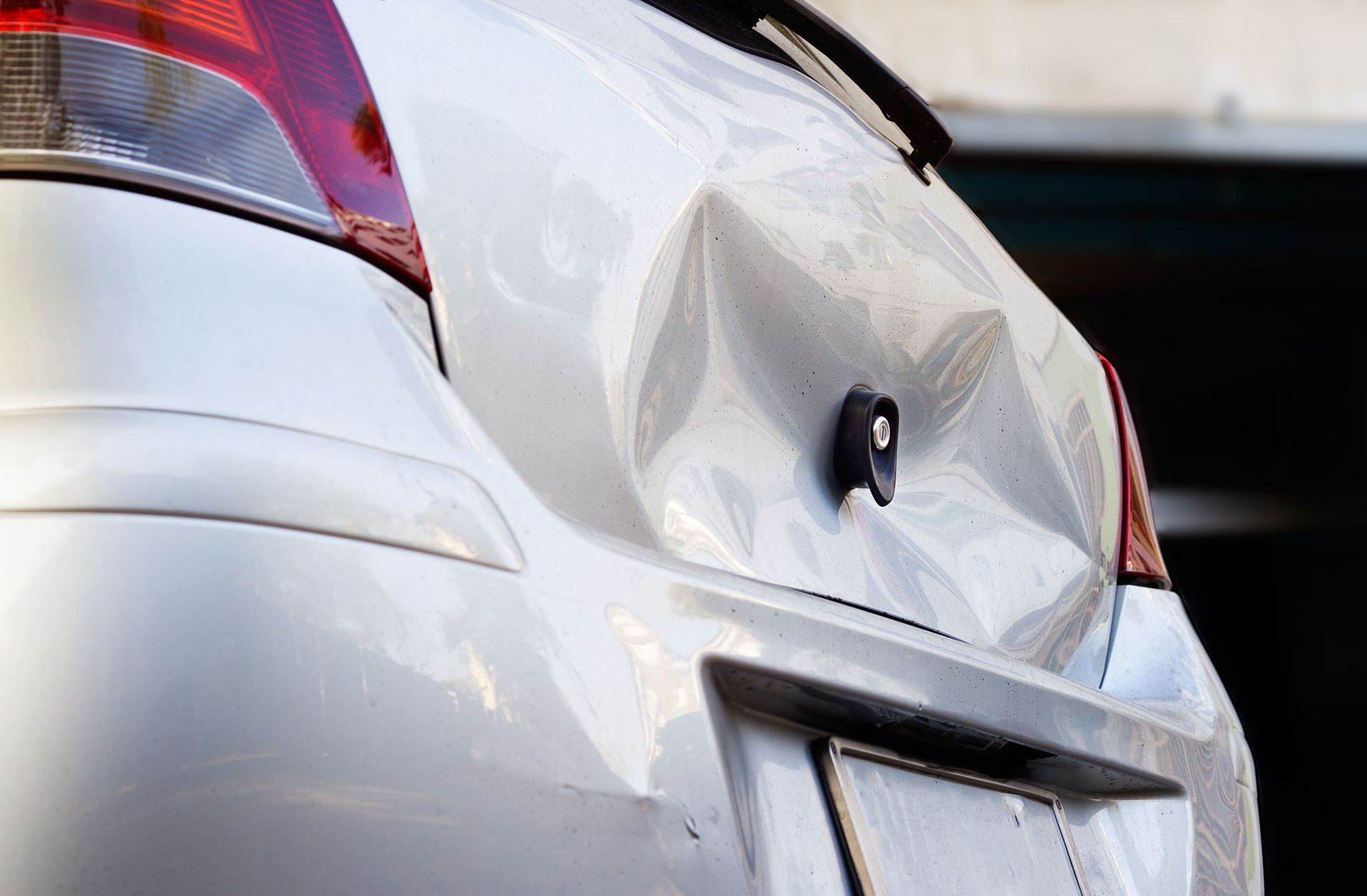
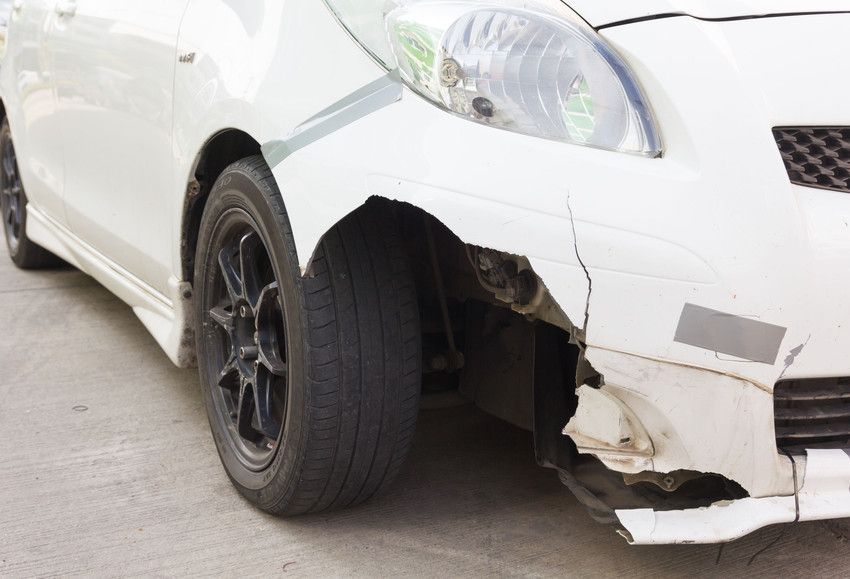
Pay particular attention to damaged bumpers, headlights, and body panels. Even seemingly minor damage can require professional inspection.
Clear photographs provide useful documentation when discussing repairs with an insurance representative or scheduling a bumper repair service.
Record Additional Details and Observations
If circumstances allow, record a short video showing the surrounding environment and visible vehicle damage. Video documentation can capture details that photographs might overlook.
Make written notes describing the approximate time, location, direction of travel, and circumstances surrounding the collision. Keep descriptions factual rather than speculating about responsibility.
These observations may become valuable if questions arise during the insurance claims process.
Identify Weather and Road Conditions
Weather and roadway conditions can influence how accidents occur. Record whether rain, fog, poor lighting, construction activity, or damaged pavement contributed to the circumstances.
Photograph relevant road hazards when safe. This information provides additional context for insurers reviewing the incident and helps establish an accurate timeline.
Exchange Information With Other Drivers
Collect Contact and Vehicle Details
Exchange names, telephone numbers, and necessary contact information with the drivers involved. Record each vehicle's make, model, color, and license plate number.
If witnesses are present, request their contact information. Independent observations may help clarify circumstances if conflicting accounts emerge.
Avoid confrontations about responsibility. Maintaining a respectful, factual conversation helps prevent unnecessary complications.
Obtain Insurance and Policy Information
Request the insurance provider's name, policy number, and relevant claims contact information from the other driver. Provide your own information as required.
Accurate insurance details allow both parties to initiate claims without unnecessary delays. Consider photographing insurance cards when appropriate and with permission.
Keep this information organized alongside your accident photographs for convenient reference.
Preserve Official Accident Documentation
When law enforcement responds, ask how to obtain the accident report and record the applicable report number.
Official documentation can support insurance claims and clarify important details about the incident. Insurers may request additional evidence before authorizing repairs.
Maintaining organized records makes communication with insurance representatives and repair professionals more efficient.
Notify Your Insurance Company Promptly
Report the Accident and Submit Evidence
Contact your insurance provider as soon as reasonably possible, following your policy's reporting requirements. Provide the accident date, location, involved parties, and a factual description of what occurred.
Submit available photographs, reports, and supporting documentation when requested. Avoid guessing about circumstances you cannot confirm.
Early communication helps establish the next steps for inspections, estimates, and potential reimbursement.
Review Coverage and Repair Options
Insurance policies differ regarding collision coverage, deductibles, rental vehicles, and approved repair procedures. Understanding these details helps drivers anticipate potential expenses.
Ask whether your insurer requires an inspection before repairs begin. If your vehicle needs a bumper repair service, confirm how the estimate and authorization process will work.
Some policies allow drivers to select their preferred repair facility, although specific coverage requirements may apply.
Communicate With the Claims Adjuster
An insurance adjuster may inspect the vehicle, review photographs, or request a professional repair estimate. Their assessment helps determine covered damage and applicable claim payments.
Keep copies of estimates, correspondence, and authorization documents. If additional damage becomes apparent during inspection, the repair facility may need to submit supplemental documentation.
Clear communication supports a more organized repair process.
Seek Appropriate Medical Attention
Arrange a Medical Evaluation When Needed
Some accident-related injuries are not immediately noticeable. Neck discomfort, headaches, and other symptoms may develop after the initial incident.
Seek prompt medical attention for concerning symptoms, even if you initially feel comfortable. Emergency symptoms require immediate evaluation.
Medical professionals can assess potential injuries and recommend appropriate care.
Maintain Accurate Medical Records
Keep records of medical evaluations, treatment recommendations, prescriptions, and related appointments. These documents may be important for ongoing care and applicable insurance claims.
Accurate records help healthcare providers understand the progression of symptoms and determine whether additional evaluation is necessary.
Store medical documentation separately from vehicle repair records to keep both processes organized.
Follow Professional Treatment Recommendations
Follow the treatment plan provided by qualified healthcare professionals and attend recommended follow-up appointments.
Recovery timelines vary depending on the nature and severity of injuries. Avoid assuming that the absence of immediate discomfort means medical evaluation is unnecessary.
Prioritizing personal health allows you to address vehicle repairs without overlooking important medical concerns.
Arrange Professional Vehicle Repairs
Select a Qualified Auto Repair Provider
Choosing an experienced repair provider is important for restoring your vehicle's appearance and functionality.
According to WifiTalents, the United States has approximately 17.5 million vehicle damage claims annually, including physical damage claims. This volume illustrates the continuing demand for professional automotive repair services.
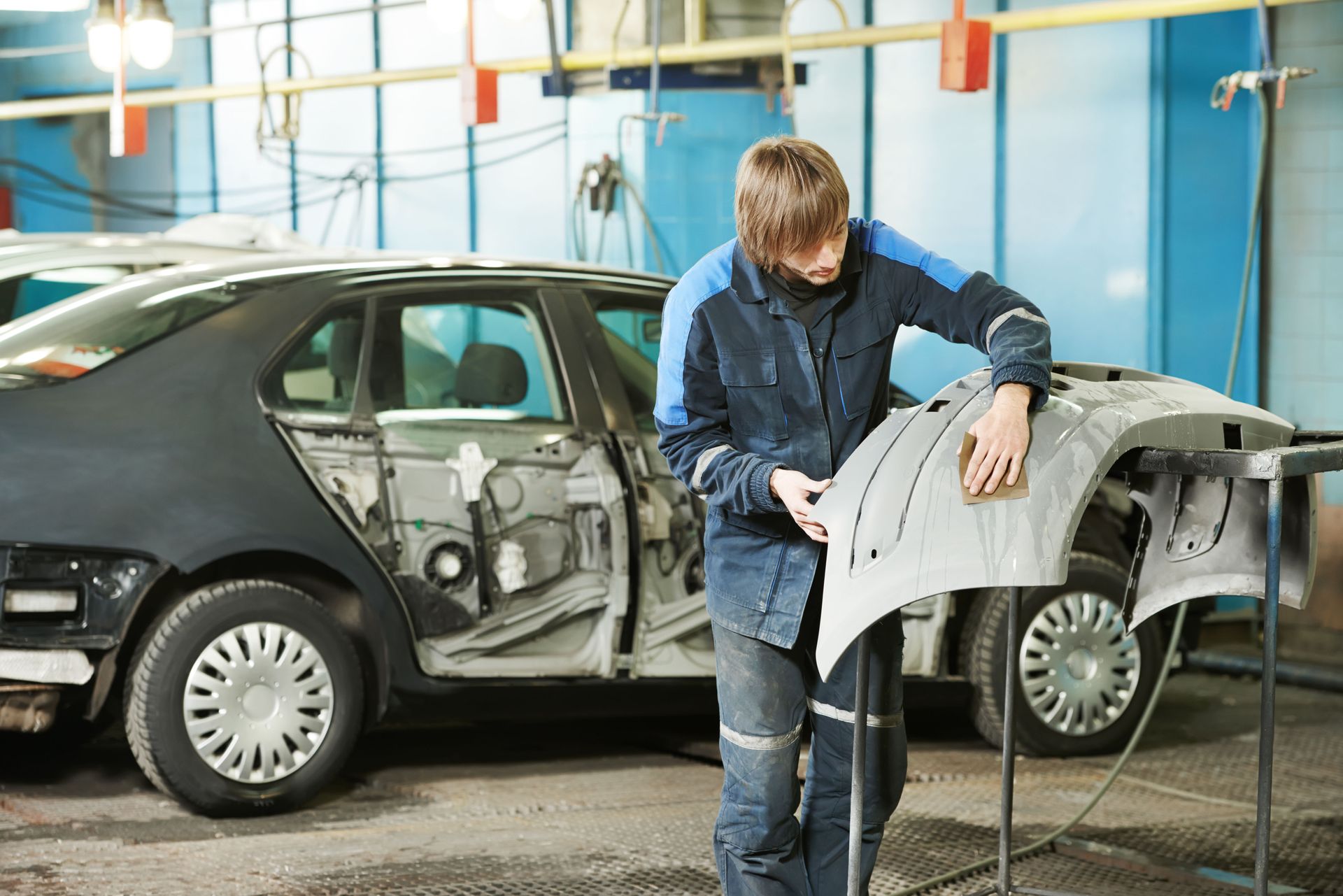
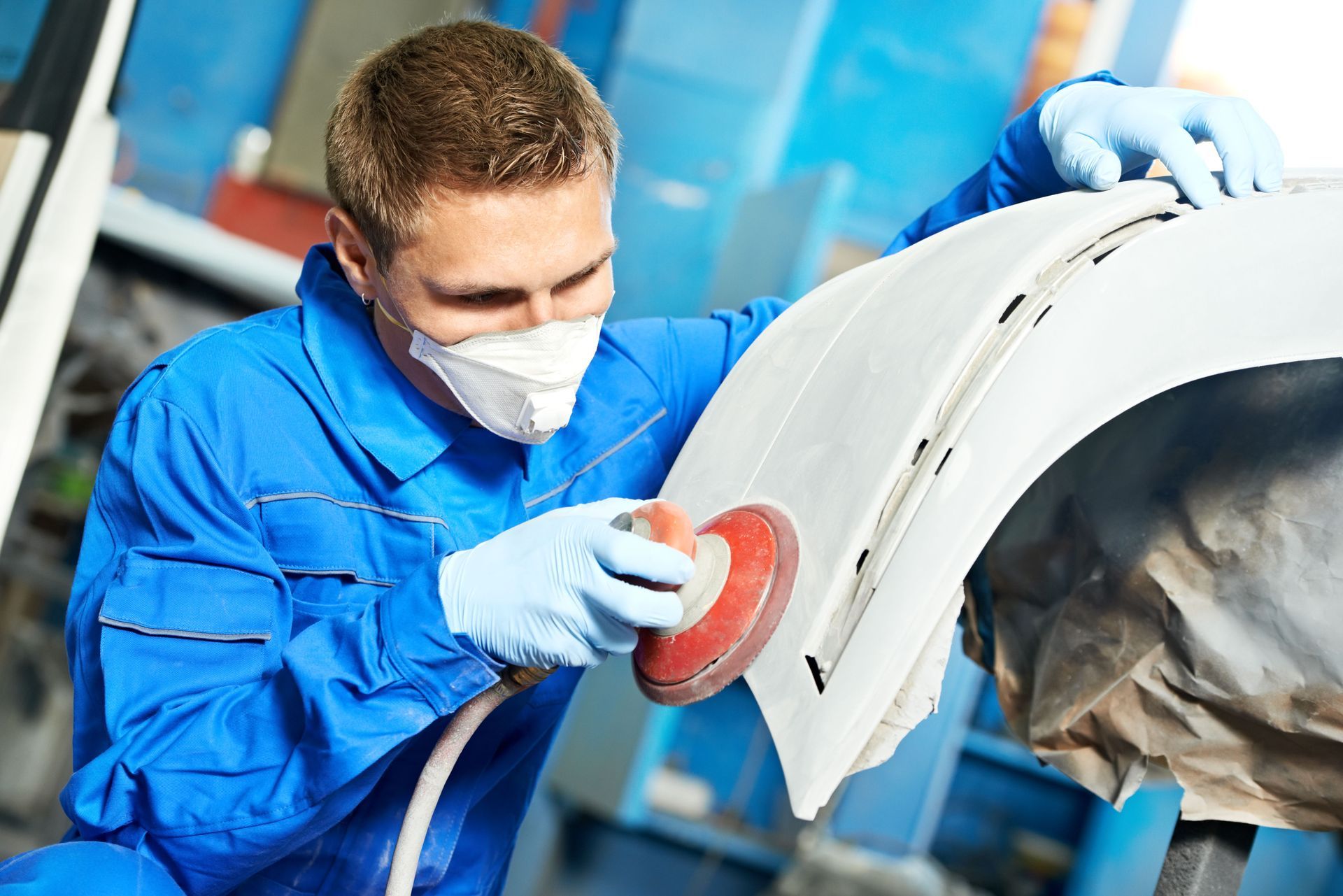
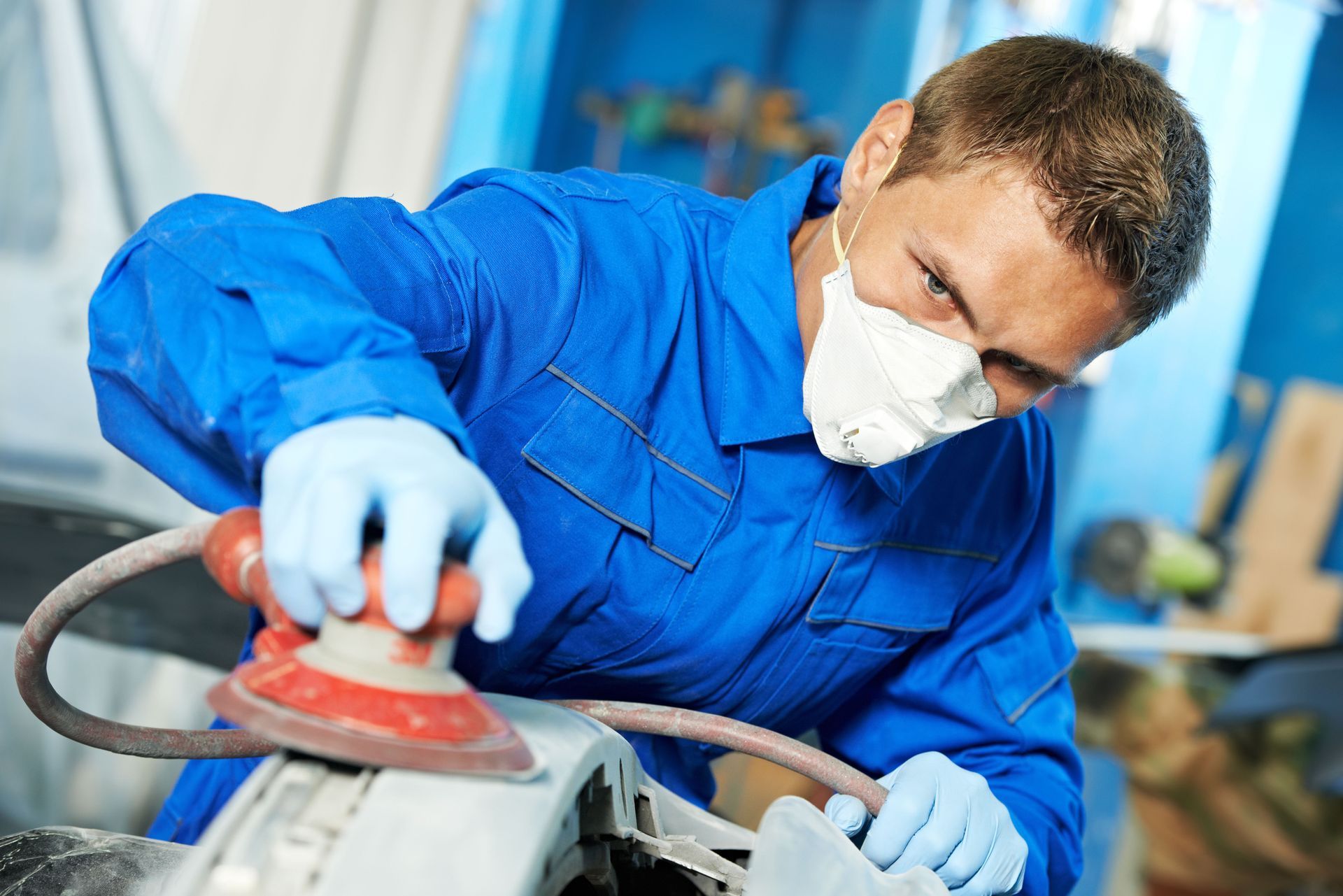
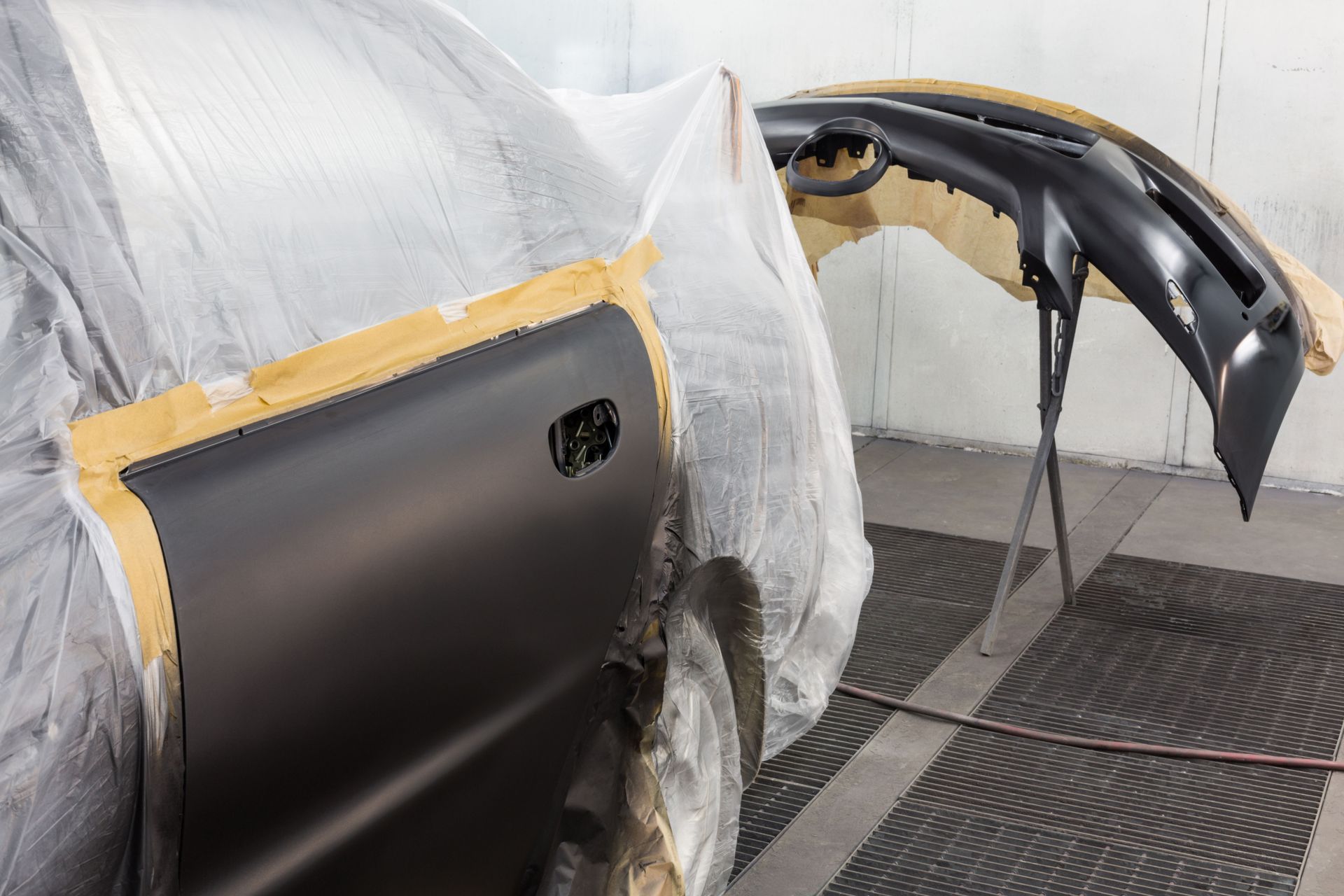
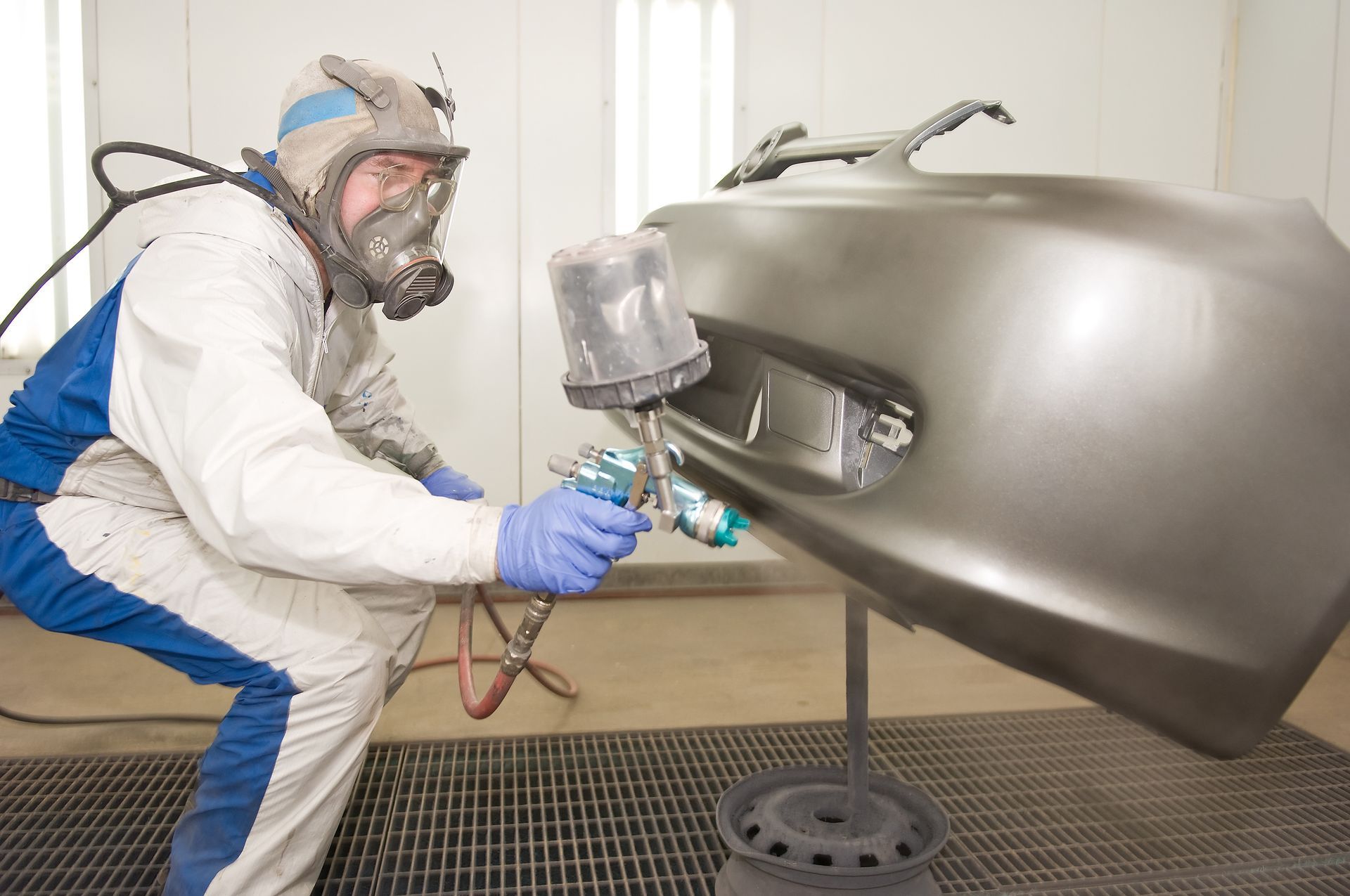
At Ultimate Auto Touch-Ups, we recognize that even minor collisions can leave noticeable bumper scratches, dents, and paint damage. A professional bumper repair service can address suitable cosmetic damage while helping restore your vehicle's appearance.
Request a Detailed Damage Assessment
Before authorizing repairs, obtain a professional assessment of the affected areas. Bumper damage may extend beyond visible scratches, particularly when mounting components, sensors, or underlying structures are involved.
A qualified technician can determine whether cosmetic restoration is appropriate or additional repairs are necessary.
When evaluating a bumper repair service, consider the proposed repair methods, estimated costs, expected completion time, and whether the work addresses the identified damage.
Coordinate Repairs and Final Inspections
Once the insurance company approves applicable repairs, coordinate scheduling with your chosen repair provider. Confirm whether additional authorization is necessary before work begins.
A professional bumper repair service should prioritize appropriate repair procedures, accurate assessments, and attention to the vehicle's finished appearance.
After repairs are completed, review the work with the repair provider. Ask about completed repairs, applicable warranties, and recommended follow-up services.
Restore Your Vehicle With Ultimate Auto Touch-Ups
Recovering from a collision involves more than filing an insurance claim. Drivers must consider vehicle safety, exterior appearance, and the quality of necessary repairs.
At Ultimate Auto Touch-Ups, we understand the frustration of discovering scratches, dents, or damaged paint after an accident. Our goal is to help customers understand their cosmetic repair options and make confident decisions about restoring their vehicles.
Whether your vehicle has minor collision damage or noticeable bumper imperfections, choosing the right bumper repair service can make a meaningful difference.
Contact Ultimate Auto Touch-Ups to discuss your vehicle's damage and learn how our professional bumper repair service can help restore its appearance. With experienced workmanship, you can move forward from an accident with greater confidence.

Share On: